
Generation X at the Turning Point
At the peak of life in the valley of darkness

In my previous post, I took a look at the Baby Boomer generation, invoking the concept of the generational diagonal to explain where they are today and how they got here.

Let’s do the same for my generation, the next oldest of today’s living American generations.
Which would be Generation X, the generation so lame we didn’t get a name, just a letter.1
While the Boomers were running wild in the 1960s and 70s, we were famously raised as “latchkey kids” who were more or less on our own. We also ran wild in the streets, and were so tough that we didn’t wear bike helmets and we drank from the garden hose, as we like to remind everyone today. Our parents had no idea where we were or what we were doing, to the point that they had to make a public service announcement to remind them of their parental responsibilities.
When we came of age in the 1980s and 90s, we were excoriated as a junk generation that was setting our whole civilization back culturally, intellectually, and morally. We had given up on the ideals that drove the vaunted youth of the 60s and were obsessed with material things and with getting ahead. Never mind that the Boomers had also done that in the 80s, with their hippie to yuppie transformation.
Getting blamed for the wreckage caused by Boomers is kind of our thing. I mean, first you raise us neglectfully, then you blame us for not being the pinnacle of civilized humanity? Really?
Now that we’re middle aged, in our forties and fifties and getting into our sixties, how are we doing? Let’s check the Internet memes about us and find out:
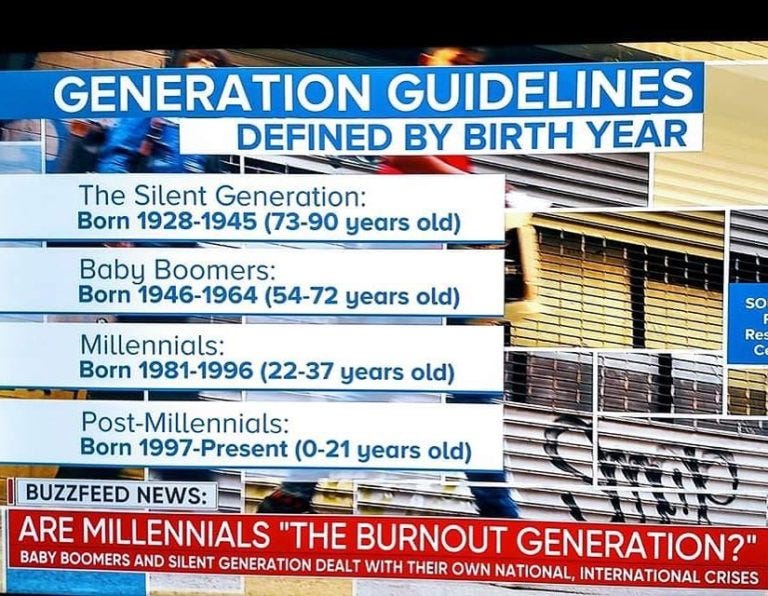
Hmm. We seem to have been forgotten about, despite the iconic film anthem in which we pleaded not to be. I guess our parents never figured out where we were after all.
The generation gap as it is usually framed today is one between Boomers -representing the old ways and a life of advantage - and Millennials, representing the new post-1960s-cultural-revolution ways, but dispossessed of a future by the harsh realities of “late-stage capitalism.” The Post-Millennials or Gen Z are considered an intriguing batch of newcomers.
Let’s face it: Boomers and Millennials have dominated the cultural narrative around generations, while my generation watches from the sidelines.2 We might prefer it that way; our upbringing conditioned us to mind our own business, to take advantage of opportunity when it presents itself, but otherwise stay in the background. We learned to depend on ourselves, not to trust social institutions or the wisdom of our elders. And we’ve carried that attitude forward into midlife, perhaps to our detriment.
Generation X in Middle Age
The midlife years are the prime of life. Gen Xers are at the peak of their careers, growing in responsibility and taking over leadership roles. The culture may decry Boomers living too long and keeping good jobs away from Millennials, but it’s really Gen-Xers occupying all those managerial positions. And it’s Gen Xers who have driven the digital transformation of the economy, and the remarkable productivity gains which have given us our prosperous commercial age.
The most successful Gen Xers in business, particularly in the digital space, have been greatly influential in forging the modern zeitgeist. Some have huge public profiles, such as Amazon founder Jeff Bezos, and Tesla/SpaceX CEO Elon Musk. Other founder-CEOs are responsible for much of the background of modern life, just not as well known. The founders of Google, eBay, and Uber are all Gen Xers. Same with Palantir – a company that has less public visibility, but is becoming more pervasive in government and law enforcement since the DOGE takeover.
You might have noticed that while these super-prominent Gen X business leaders have tons of wealth and power, they don’t have the greatest of reputations. I’ve already made fun of them as the doofy broligarchs bending the knee to fascism.

Media and entertainment is perhaps where Generation X enjoys more eminence and respect. A look at the highest paid film stars shows a lot of Gen X faces, including the highest paid (for one role) female actress in history, Sandra Bullock.
Gen X has always been obsessed with pop culture, and now that we are in the peak of life, it’s like Gen X filmmakers are finally getting the chance to realize the imaginative visions of their youth, aided by all the advances in computing and audiovisual technology. It’s no wonder so many of the franchises of our childhood years are springing to life in movie and television form. Gen X also brings a bit of a dark touch to entertainment; as I put it in an earlier post, we are in part responsible for a new film noir age.

As for the more serious side of media, Generation X has had less luck supplanting previous generations of journalists and news reporters, at least in terms of inheriting their sense of gravitas. Part of the reason is that we peaked at the same time that “fake news” became a thing, and the public stopped trusting traditional media.
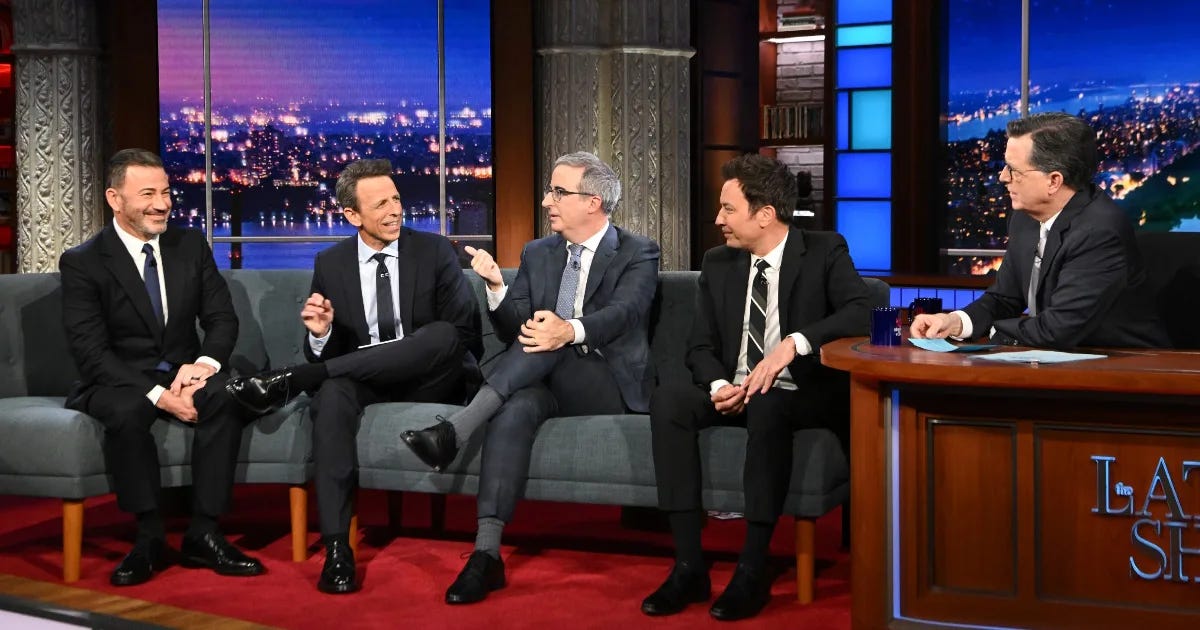
The influential Gen X opinion shapers actually include the sarcastic, fake news types, like the late night comedians criticizing the current administration - and risking their careers by doing so. It’s like not taking anything seriously has been our great contribution to the culture. There is something to be said for the court jester being the only one who can speak the truth to the King…but the King still holds all the power.
Another breed of Gen X influencer leverages the new media formats, which we started doing with independent web sites and blogs in the early days of the world wide web. An early example is Matt Drudge, whose Drudge Report web site sometimes broke news stories ahead of mainstream media. Today, popular podcasters such as Joe Rogan have enough clout to affect elections.
Generation X has played an important role in getting the U.S. to its current political alignment. The influence of my generation in politics is rarely noted per se, yet we are integral to one of the remarkable political stories of the century – the rise to power of the Republican party. Gen Xers were the most likely to endorse the Reagan Revolution in the “greed is good” 1980s, with its philosophy of deregulation and elevation of the free market. Today, we are the generation most likely to support the current President. He wouldn’t be where he is today without us.
The key loyalists serving the President, or having served him before being cast aside, are also largely Gen Xers. That includes Kristi Noem and her replacement, Pam Bondi and her replacement, Border Czar Tom Homan, and OMB Director Russell Vought. All of these people have terrible reputations and doubtful moral character, but hey, what would you expect would happen when you raise a “junk generation,” then elevate them to power?
To be fair and balanced, there have been Gen Xers of note on the other side of the political aisle. The Democratic Party has given us a Gen X President, Barack Obama, and Vice President, Kamala Harris. Harris might have lost in 2024, but she still holds the record for third highest popular vote total of any U.S. Presidential candidate.3
I’ve been focusing on the most prominent and powerful Gen Xers, but of course most of us don’t count among them. Our go-it-alone, opportunistic mentality has produced a few wildly successful individuals, and a vast number who are just muddling along, without a grand plan, as we have all of our lives. Our willingness to get the job done without demanding too much in return4 has helped to propel the growth in labor productivity over our lifetimes, but also helped to ensure that most of the gains of that productivity growth go to the people at the top.
In the final analysis, this means that the bulk of us face the prospects of a difficult late life. We’ve been in a free-wheeling, short-term-thinking society all our lives, and so have failed to save enough for retirement - just when the cost of living is skyrocketing, and pensions have disappeared, and the old New Deal social programs face cuts.
Perhaps our “whatever” attitude has come around to bite us in the collective ass.
As individuals with a strong instinct for survival, we grimly face our dark future of lowered expectations with resolve. We also face it with ambivalence. Those of us who have chosen to side with the MAGA movement fear the loss of the old ways, before excessive liberalism turned the social order upside down. Those of us in the Resistance fear the extremes the MAGA movement is willing to go to in order to revert us to an earlier version of America.
As a generation, however, we are not temperamentally inclined to work collectively toward common goals. Hence our “slacktivist” approach of chiming in with our perspective on social media feeds, while otherwise carrying on with our lives. In that sense, we are simply enablers of the Boomers’ moralistic mode of politics, whirling about in an ever-growing maelstrom toward some final confrontation.
That Gen X style
Gen X may have picked up on the individualistic morality of the Boomers, and joined them in their culture war march of doom, but at least Gen X does it with style.
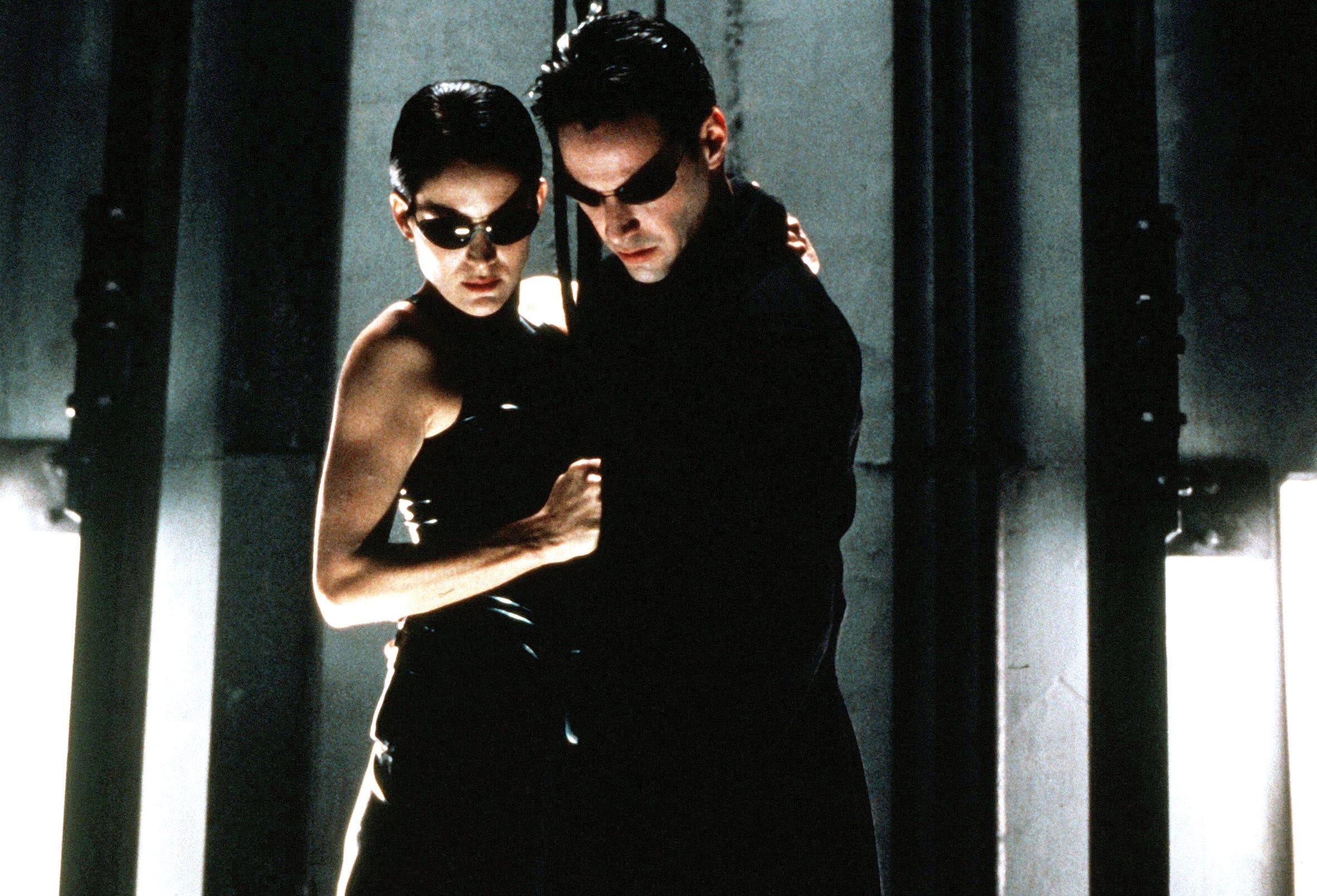
We’ve long had a reputation for “style over substance,” usually meant in the negative sense that we are all about appearance and don’t have much depth of character. To put it more more charitably, in our personal style we’ve embraced the post-1960s upending of norms and exploration of individual expression. We understand the importance of asserting our individuality with panache when navigating a social order that offers little support and no guarantees.
In our young adult years we splintered into a kaleidoscopic variety of subcultures, each with its own vernacular and mode of dress. We were the first to normalize tattoos and piercings, to the point that they are now ordinary fashion accessories. The generation that came after us picked up on these cues in their coming of age, and followed suit. Millennials trying to come across as “bad” instead of “basic” are imitating the brash, devil-may-care Gen X style.
Now that we’re in midlife, our style looks good on us, if I do say so myself. I’m sure you’ve seen memes about how much younger everyone looks these days than people of the same age did in the past. There’s even a new term - “zaddy” - to denote a stylish and attractive middle aged man. Other terms you might know denote desirable or sexually assertive middle aged women.
Besides looking good, we have a toughness and resilience that makes us perfectly suited for these times. Our reputation for a no-nonsense, “git-r done” attitude has solidified. Our ability to compartmentalize means we can focus on finishing a job, but still have fun in our spare time and enjoy life. And we’ve pushed for “work-life balance” to make American-style capitalism more bearable. Just gotta flex here, since this is something Millennials have struggled with. Guys - adulting isn’t that hard if you just don’t take it so seriously!
Behind our hard facade, we are very morally grounded. We have a strong sense of responsibility, which is how we got to the modern management style focused on transparency and accountability. Our tolerance and open-mindedness have helped to give us a society that is diverse and full of opportunities. As a result, Gen X women, queer folk, and members of racial or religious minorities have been more empowered as individuals than those of past generations.
Even the conservatives among us are more accepting of others despite our differences, complaints about “DEI” notwithstanding. Certainly more so than in the stuffy old past.
Our open-mindedness, an inevitable product of our post-1960s upbringing, is also responsible for the expanded “modern family” definition of what constitutes an acceptable union or family group. I don’t think the MAGA movement is going to have much luck dialing this back, at least not as far back as they’d like. Our family and tribe is ours to define - and we are fiercely loyal to it.
In the realm of parenting we bring a strong protective instinct - a reaction to the lackadaisical manner in which we were raised. Boomers started the trend of rising protection for children (their Millennial kids weren’t going to grow up with the same disadvantages as Gen X), and then became the helicopter parents managing every aspect of their kids’ lives, even into young adulthood. We were a little more hands off, but still always there for our offspring - the stealth bomber parents who monitor from afar, and bolt in out of the blue to deal with emergencies.
A common kind of meme in social media feeds is one extolling the good old days of laxer parenting, and boasting about how a mid-lifer (70s or 80s kid) got along just fine without all the child protective rules and regulations of today. The irony is that while a Gen X parent might post such a meme, and might enjoy such a meme, they are unlikely to actually change how they parent their children.
We can, undeniably, be a little rough around the edges. When you see someone on social media criticizing the younger generation for being “snowflakes,” for preferring cooperation and inclusivity, or for seeking safe spaces, it’s probably one of us. We internalized the idea that reality bites, and you have to tough it out.
It’s not surprising we are the generation most likely to support the current regime, since we are the ones who care the least about following the rules, or having a sense of decorum. Yes, there are many of us who are pissed as hell about the lawbreaking and immorality in high places, but think about it - given the voter math, that “basket of deplorables” is full of Gen Xers.
The Gen X Future
Thinking along the generational diagonal has helped us to understand how my generation, Generation X, got to where it is today. Raised without much support or guidance, other than to figure it out for themselves, Gen X became opportunistic, quick to adapt, but also developed a hard edge, a lack of sensitivity or sentimentality.
Now that Gen Xers are the midlifers, the ones filling leadership and management positions, the hard edge of that peer personality5 contributes considerably to the hardness of our times. To many it surely comes across as callous heartlessness, though it does explain why this era tolerates war and genocide, which earlier generations condemned and worked so hard to prevent.
Gen X didn’t have much of a reputation in their youth, and has brought that bad reputation with it into middle age - very few of the Gen X leaders in business, politics, or even media and entertainment, have stellar reputations. They generally are blamed for why everything sucks these days.
At best, Gen Xers’ toughness and resilience, their response to the PTSD of their shattered childhoods, makes them the rocks that society needs right now to provide at least some stability. Gen Xers are like Jimmy McGill in Better Call Saul: living on the edge, down and out but never giving up, ever resourceful, and always looking for a new angle.

On the one hand, the Gen X ethos of individualism and self-determination has helped to sustain the great economic boom of the post-war period, and to create a more tolerant and diverse society. On the other hand, the Gen X avoidance of group participation – even denial of its value – hampers society’s ability to find solutions where collective action is required, particularly with the vexing problem of growing wealth inequality.
As time marches on, Generation X has to be careful not to let its instinct for non-participation cause it to be fully sidelined, lest they be excluded from an emergent new order. Let me describe a scenario that explains what I mean.
Let’s say there’s a complete meltdown in the financial markets in the near future. It’s not hard to believe that could happen. Gen X, heavily dependent on 401Ks for their retirement savings, if they have any at all, is wiped out. Society devolves into utter chaos and ruin.
Eventually, some new system is put in place - something like the New Deal that lifted up the Greatest Generation a century ago. But by this point the government has been taken over by younger generations. The Gen X penchant for keeping to themselves costs them everything in the end. After all, their generation doesn’t even exist by conventional understanding. They’ve simply been lumped in with the Boomers as a hopeless, lost cause - the whole reason everything went to hell - and receive no benefits from the new order.
In our old age, we might even be called Boomers, a term that by then simply means an old, out of touch person. We won’t even have our name as a legacy. We’ll continue to watch the world from the edges, impoverished and forgotten.
At least we will have the knowledge that in our lives, we found our own way, and didn’t need to rely on anyone to do it for us. And while we were at it, we sure did have a good time.
When generational theorists William Strauss and Neil Howe first wrote about us, all we got was a number. See: Howe, Neil., Strauss, William. 13th Gen: Abort, Retry, Ignore, Fail?. United States: Vintage Books, 1993 (ISBN 9780679743651).
Interestingly, while Generation X is not talked about much in the culture at large, we do like to talk about ourselves. No other generation has embraced its generational identity like ours; there is more self-consciously Gen X themed content on the Internet than there is for any other generation. See for example this list of Gen X podcasts: https://stevebarrera.com/gen-xers-and-their-podcasts/. Millennials would probably find identifying with one’s generation this way a bit cringe.
These are the top three:
Biden (2020) 81,283,501
Trump (2024) 77,302,580
Harris (2024) 75,017,613
By contrast, when Millennials expect to be actually rewarded for their efforts, we call them “entitled.”
“Peer personality” is a term Strauss and Howe use to describe a generation’s aggregate character tendencies.